Lab-grown vs natural diamonds: what is the actual difference?
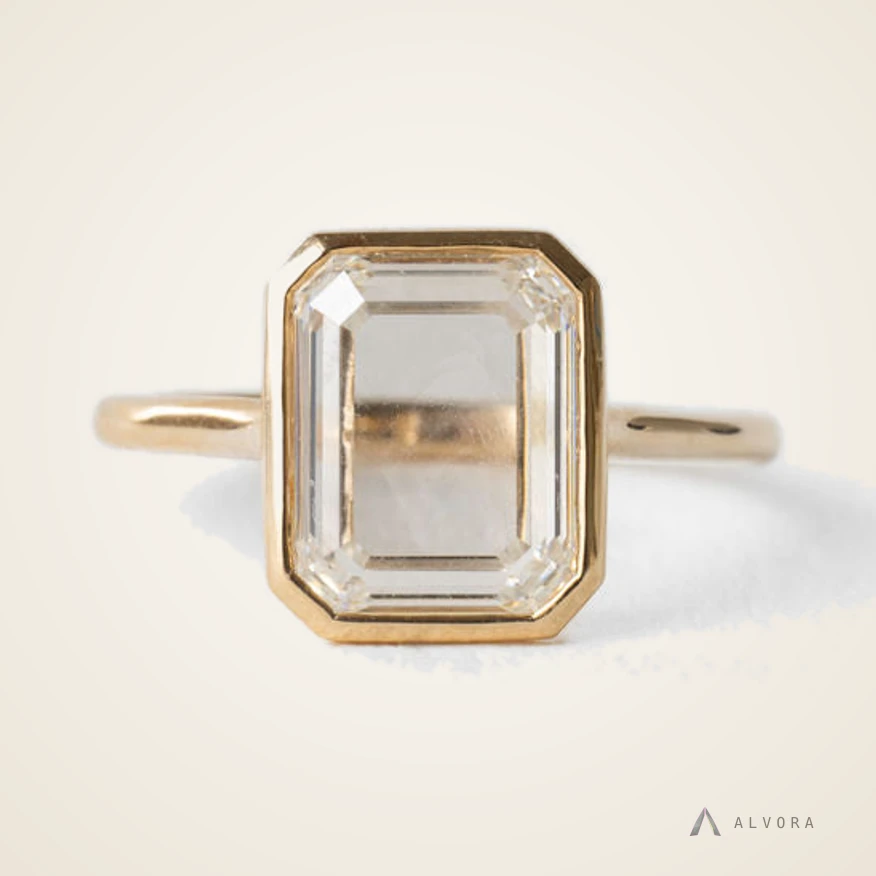
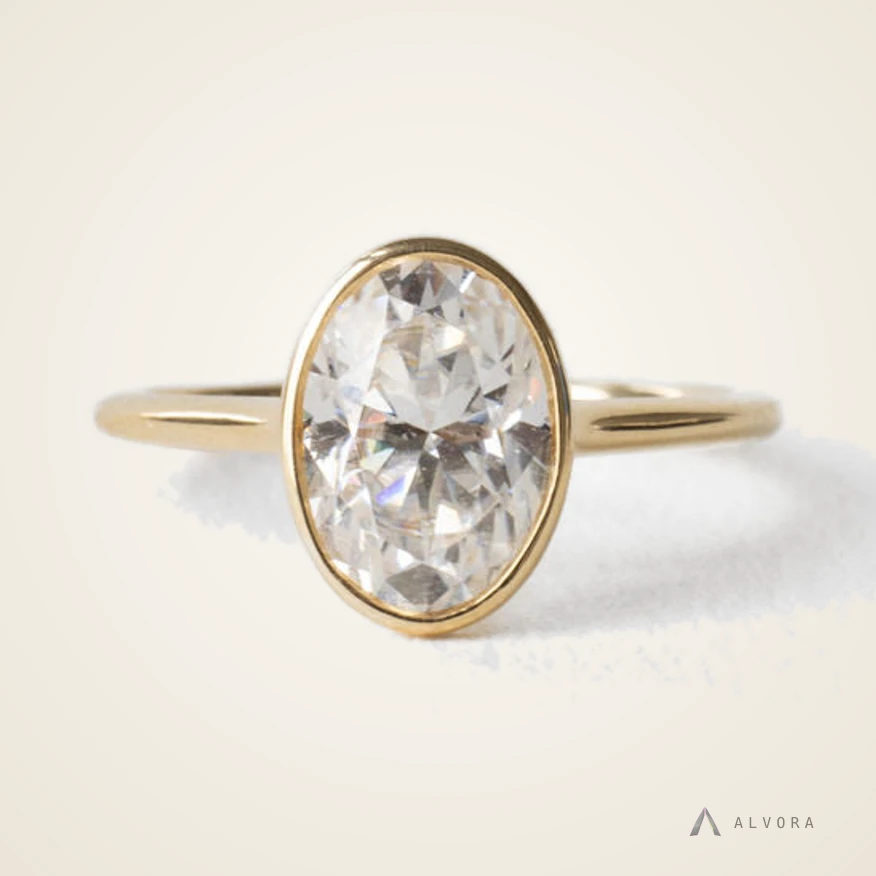
A lab-grown diamond and a natural diamond are the same material, carbon crystallised in the diamond structure, with identical hardness, brilliance and grading standards. They differ in origin, one grown in a laboratory and one formed underground, and in price and supply.
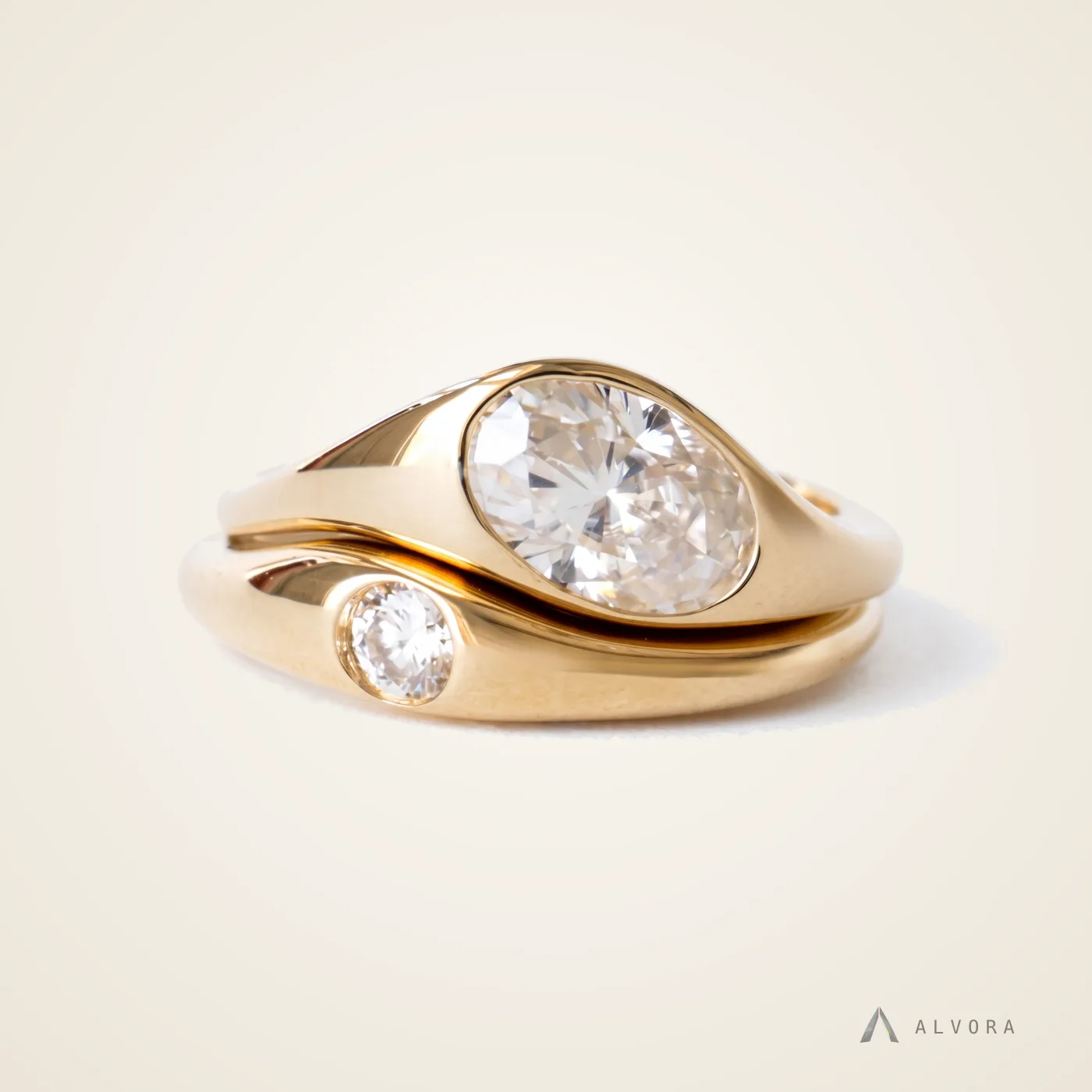
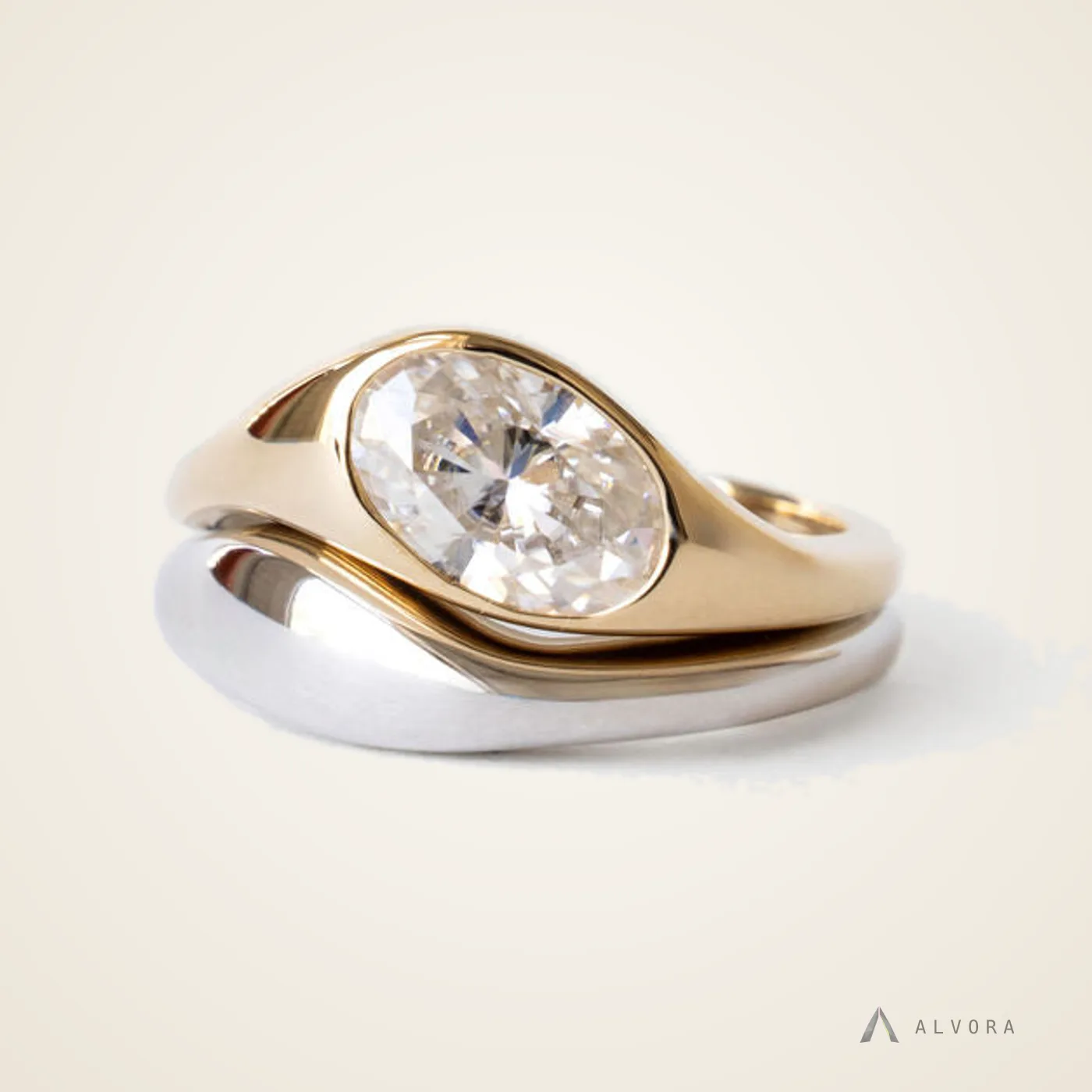
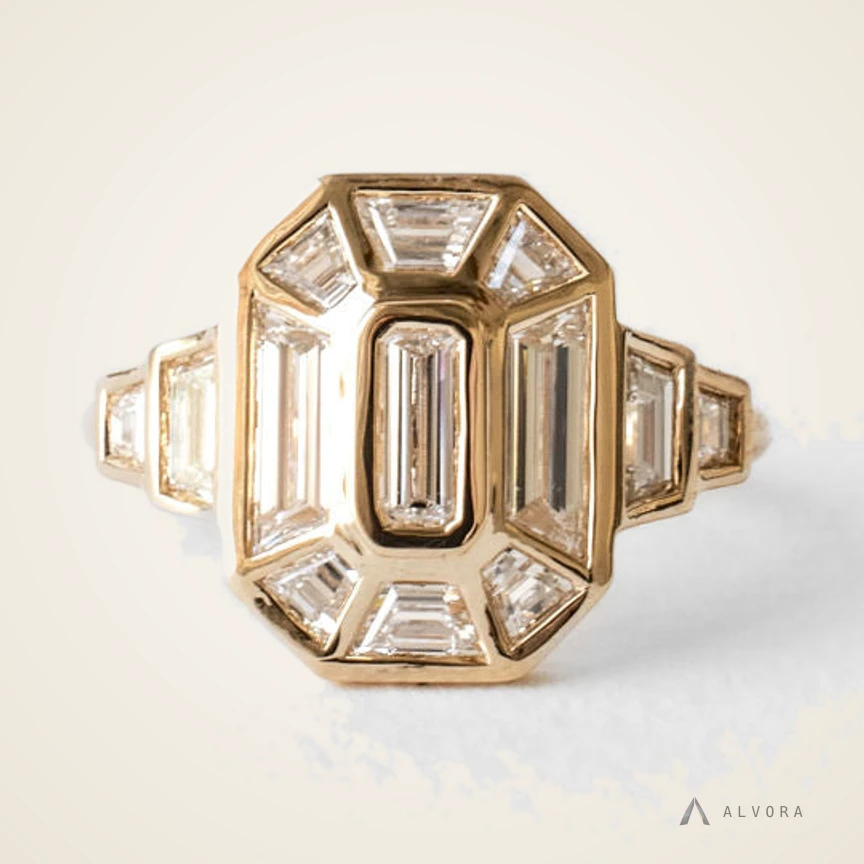
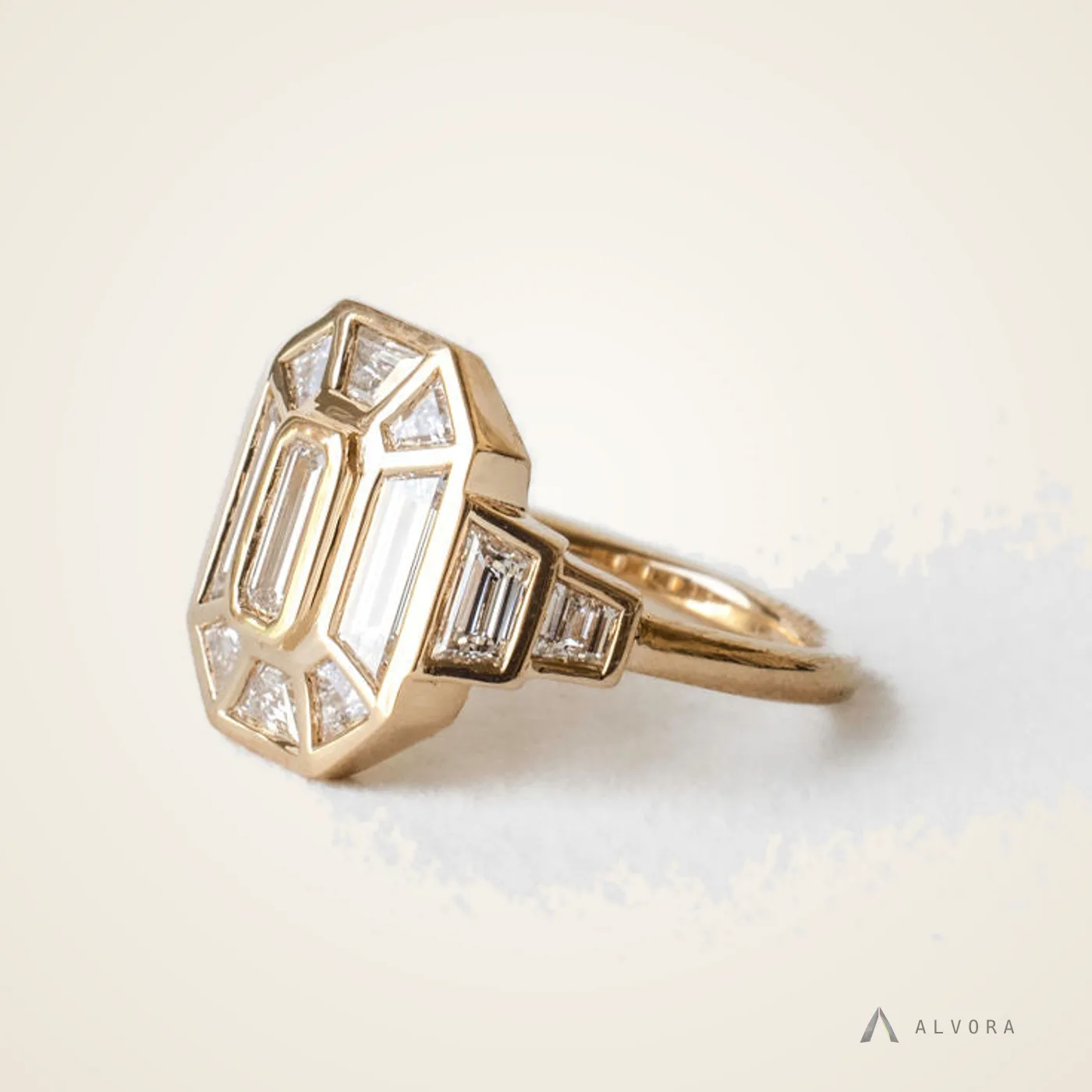
See lab-grown engagement ringsAre lab-grown diamonds real diamonds?
Yes. Lab-grown diamonds are graded by the same laboratories, including IGI and GIA, on the same 4Cs scales, and they are laser-inscribed with a report number like any certified stone.
They are not simulants. Cubic zirconia and moissanite look similar but are different materials with different optical and hardness properties.
Are lab-grown diamonds real diamonds?Can anyone tell them apart?
Not by looking. Even a trained jeweller cannot distinguish a lab-grown diamond from a natural one without laboratory equipment, because the visual and physical properties are the same.
The certificate states the origin, and the stone's laser inscription ties it to that report.
Why do lab-grown diamonds cost less?
Supply. Natural diamonds are finite and extracted; lab-grown diamonds are produced to demand, so the same size and quality costs significantly less.
For the same budget, buyers typically choose a larger stone, a higher colour or clarity grade, or a more substantial setting.
Which should you choose?
Choose lab-grown if you want the largest, highest-quality stone for your budget and you buy for how the ring looks and wears. Choose natural if finite origin and traditional resale framing matter more to you than size and grade.
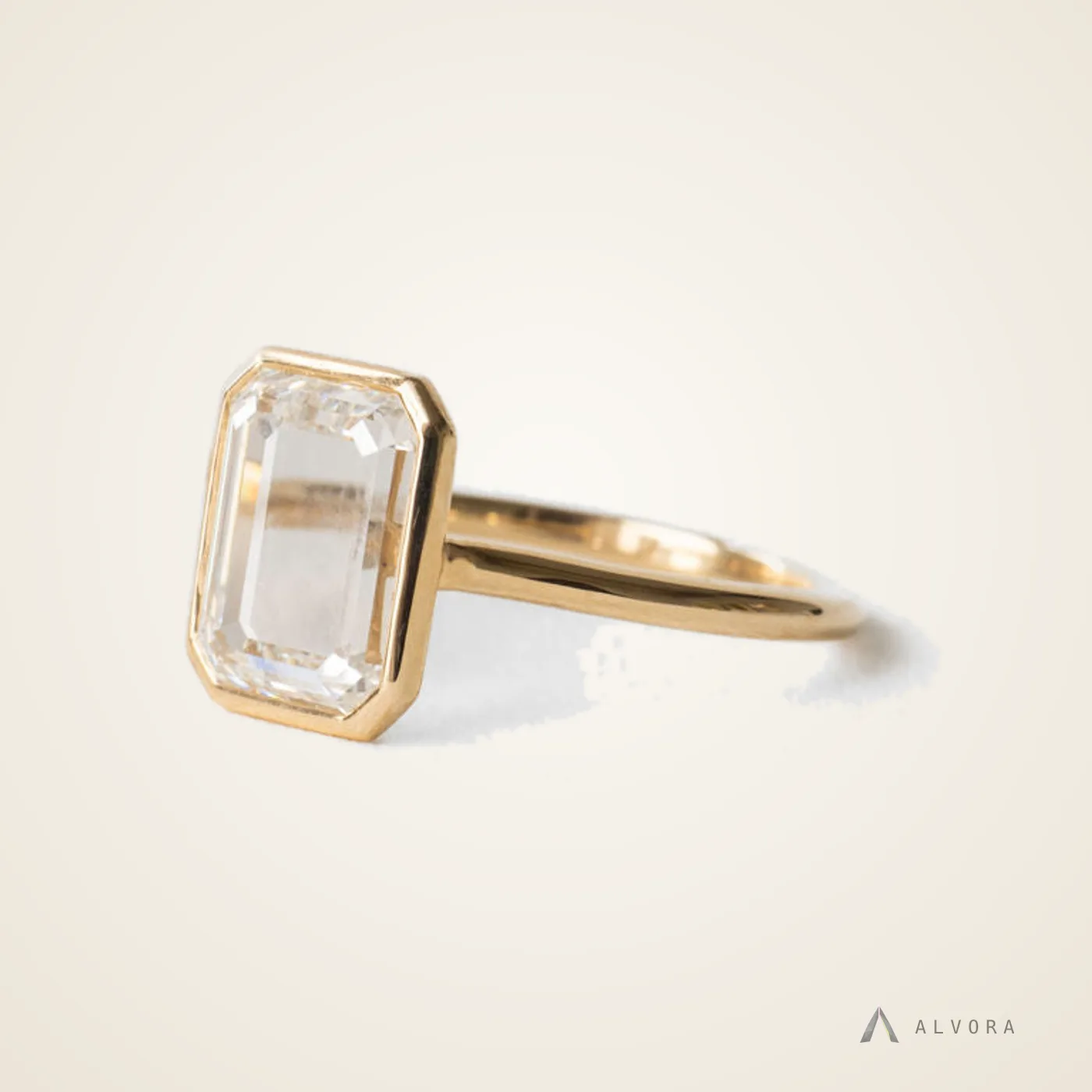
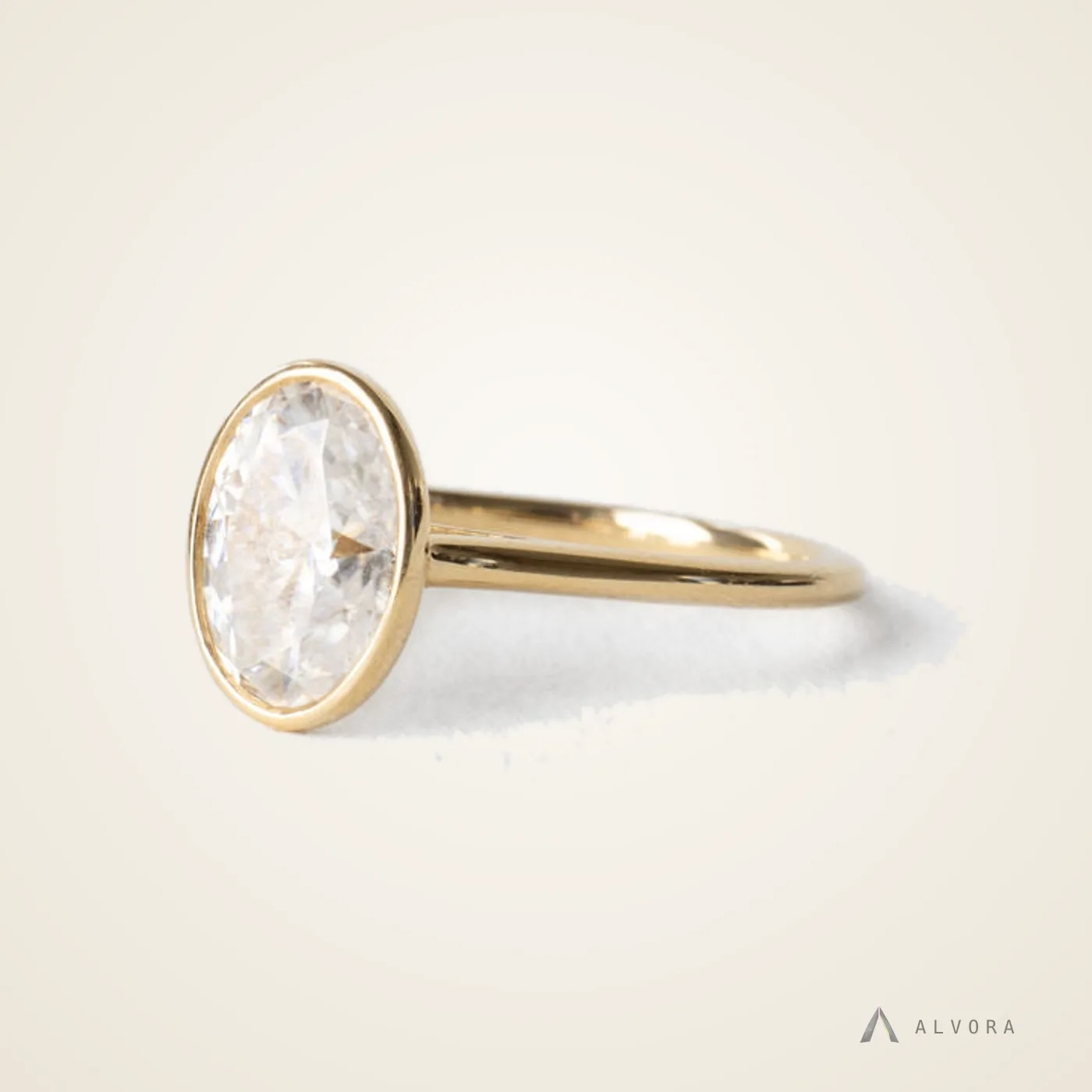
Every stone Alvora sets is lab-grown, certified by IGI or GIA, and laser-inscribed.
Is a lab-grown diamond worth it?