How to choose a diamond shape
Choose the shape by how you want the stone to read on the hand: rounds are the most brilliant and classic, elongated shapes like oval, pear and marquise make the finger look longer and the stone look larger for its weight, and step cuts like emerald trade sparkle for clean, architectural flashes.
Browse rings by shapeRound: maximum sparkle
The round brilliant is cut to return the most light, and it is the only shape laboratories grade for cut. It suits every hand and every setting style.
Rounds typically cost more per carat than fancy shapes because more rough is lost in cutting.
Browse round ringsOval, pear and marquise: bigger looking per carat
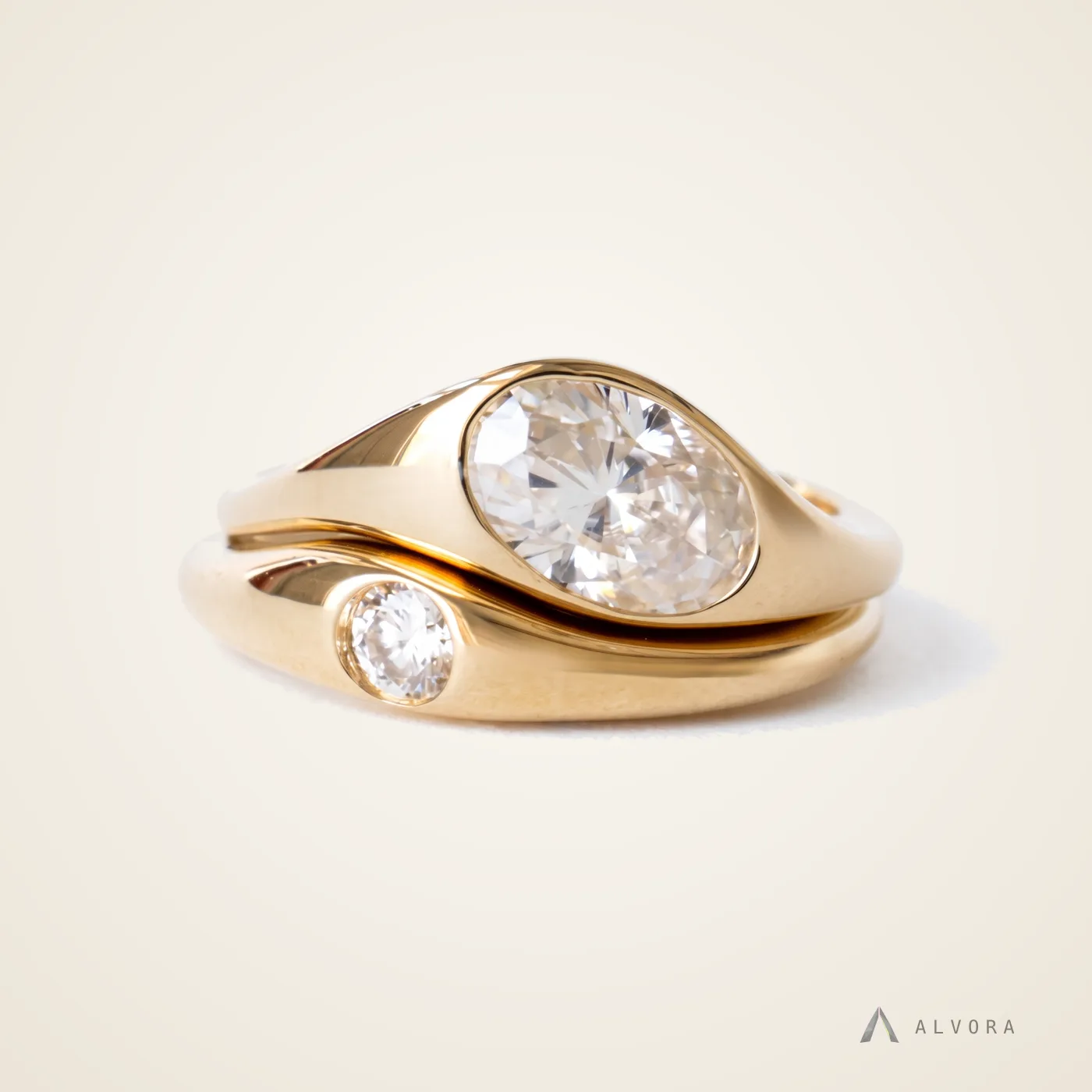
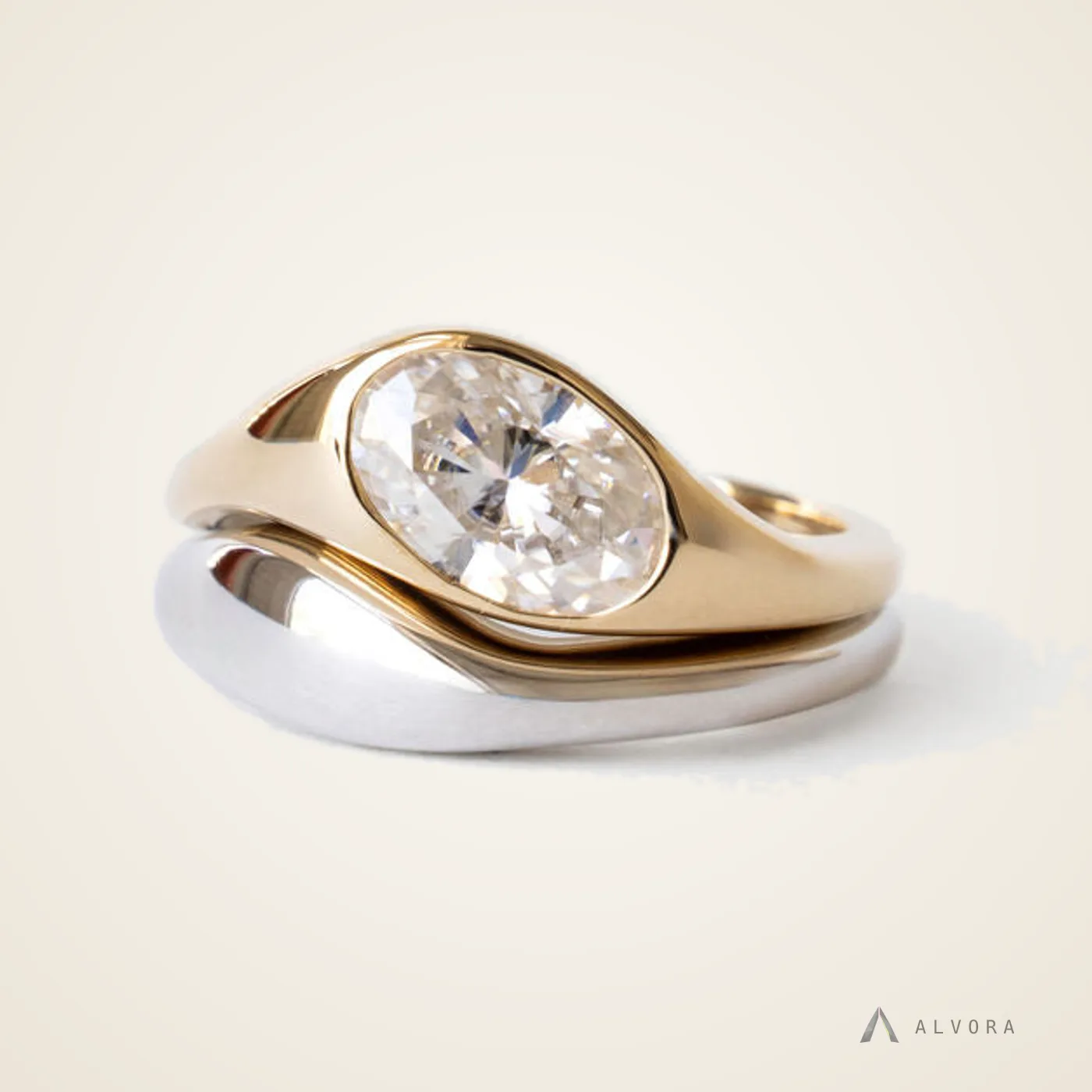
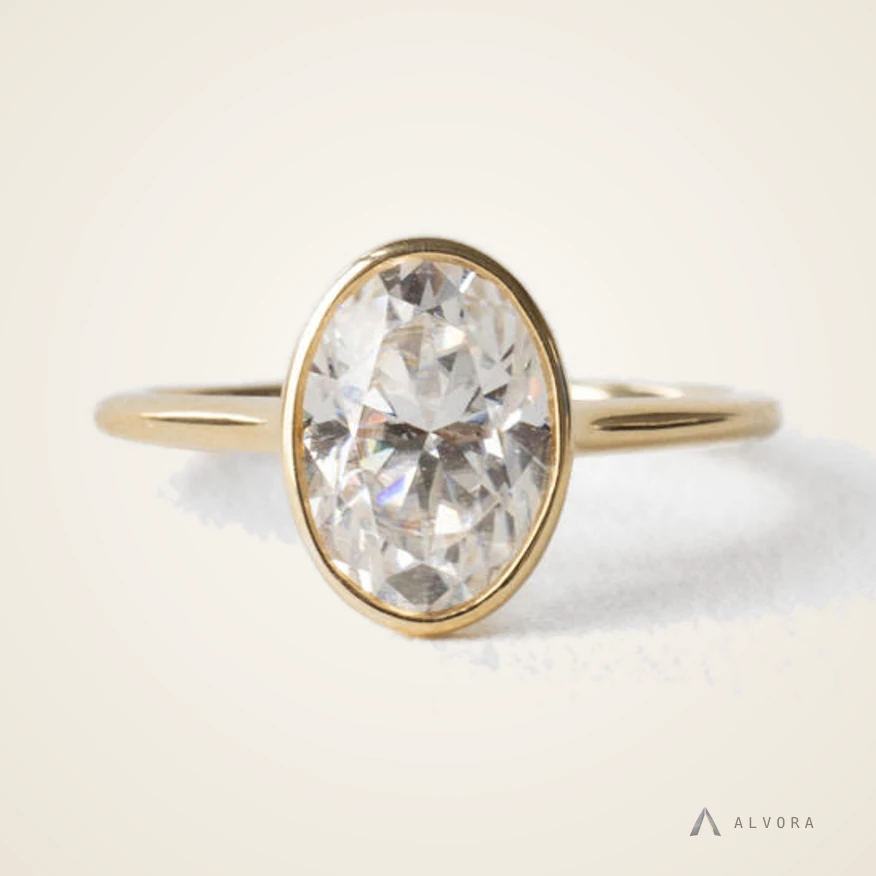
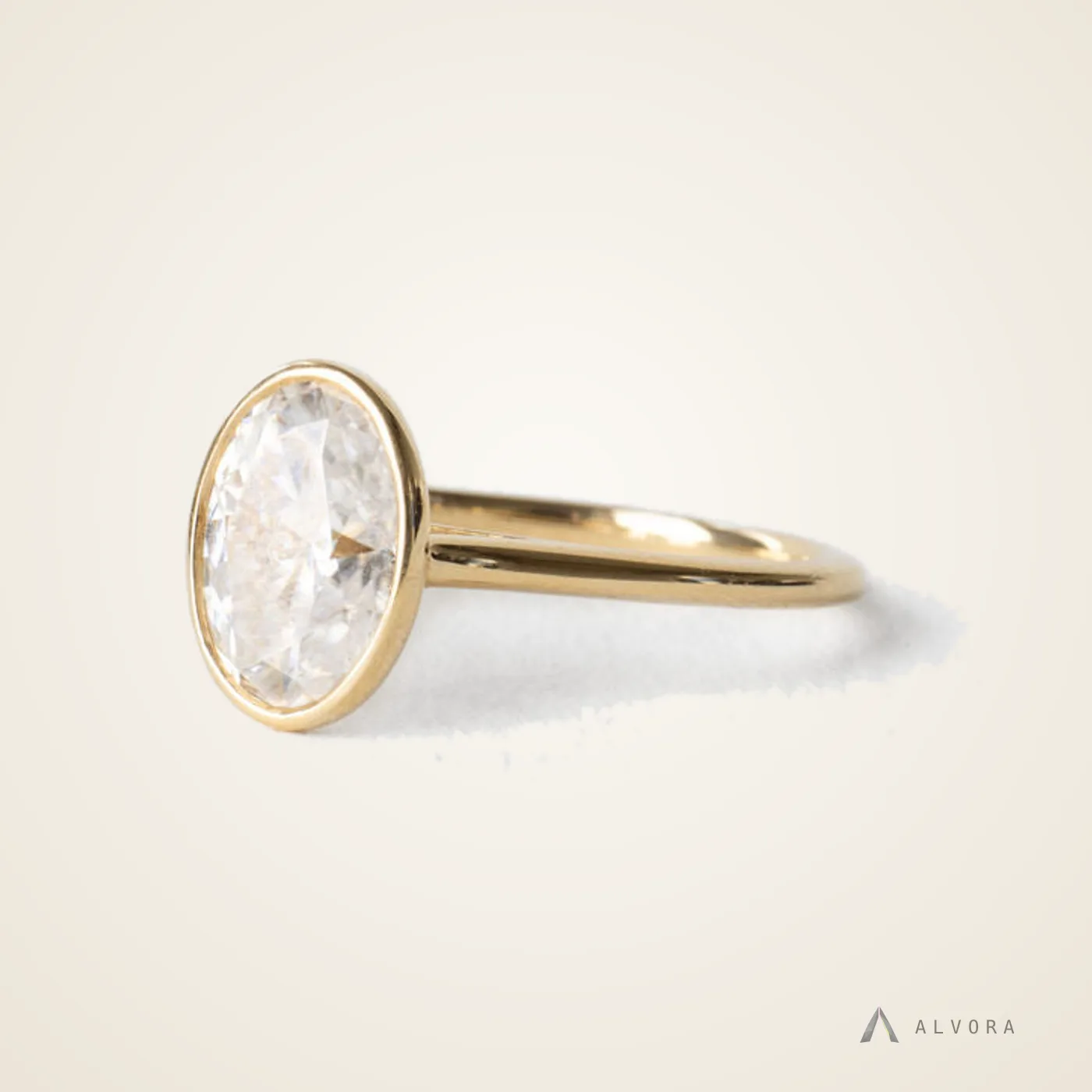
Elongated shapes spread weight across a larger top surface, so a 1 ct oval looks visibly bigger than a 1 ct round. They also lengthen the look of the finger.
Ovals are the most popular elongated shape today; pears and marquises point along the finger for a more directional look.
Browse oval ringsCushion and radiant: soft corners, strong sparkle
Cushions have rounded corners and a pillow outline with a softer, chunkier sparkle. Radiants have trimmed corners and a crisper, more glittering light return.
Both hide colour well and suit vintage and modern settings alike.
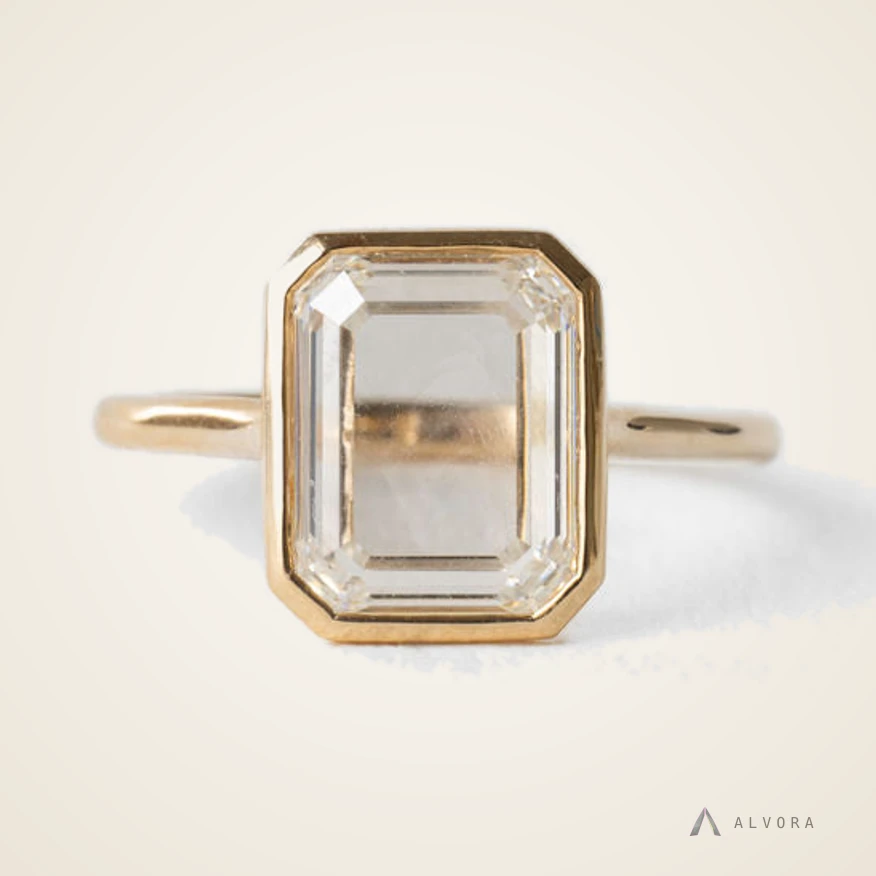
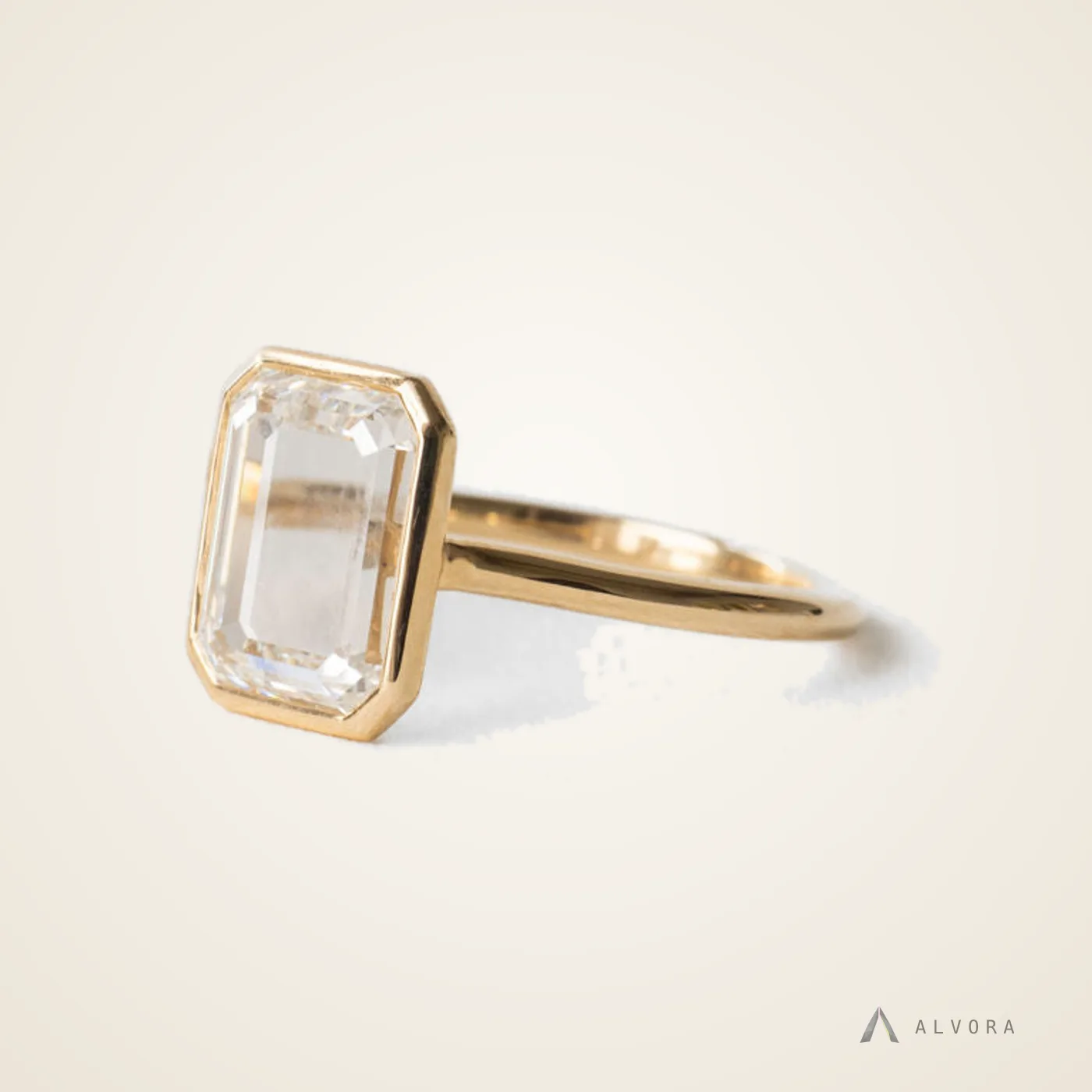
Emerald and step cuts: clean and architectural
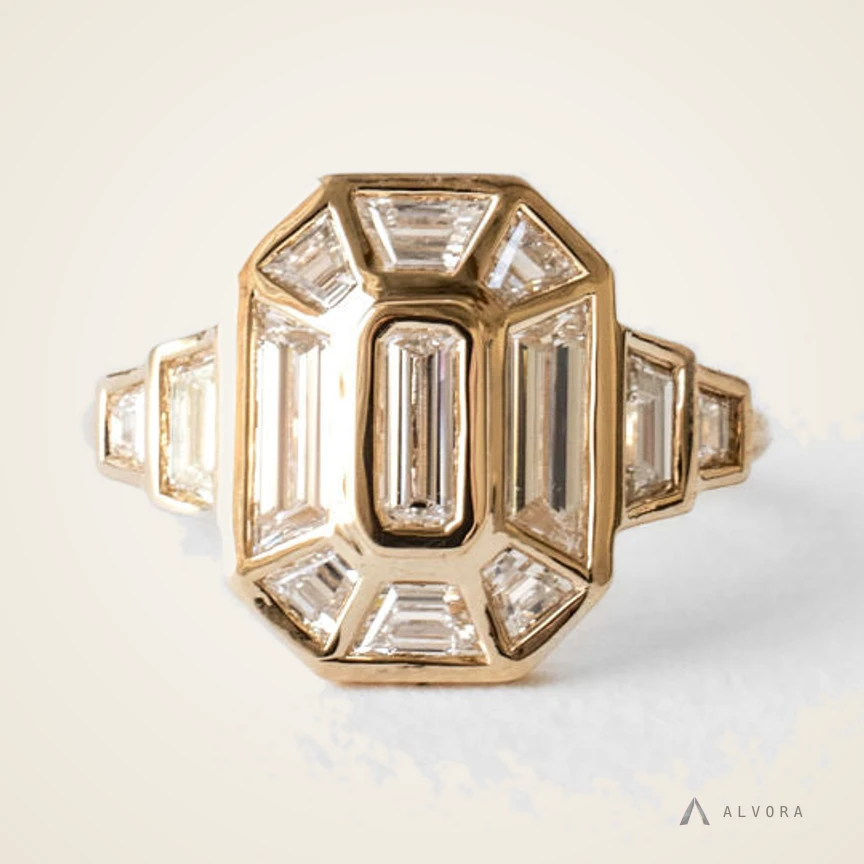
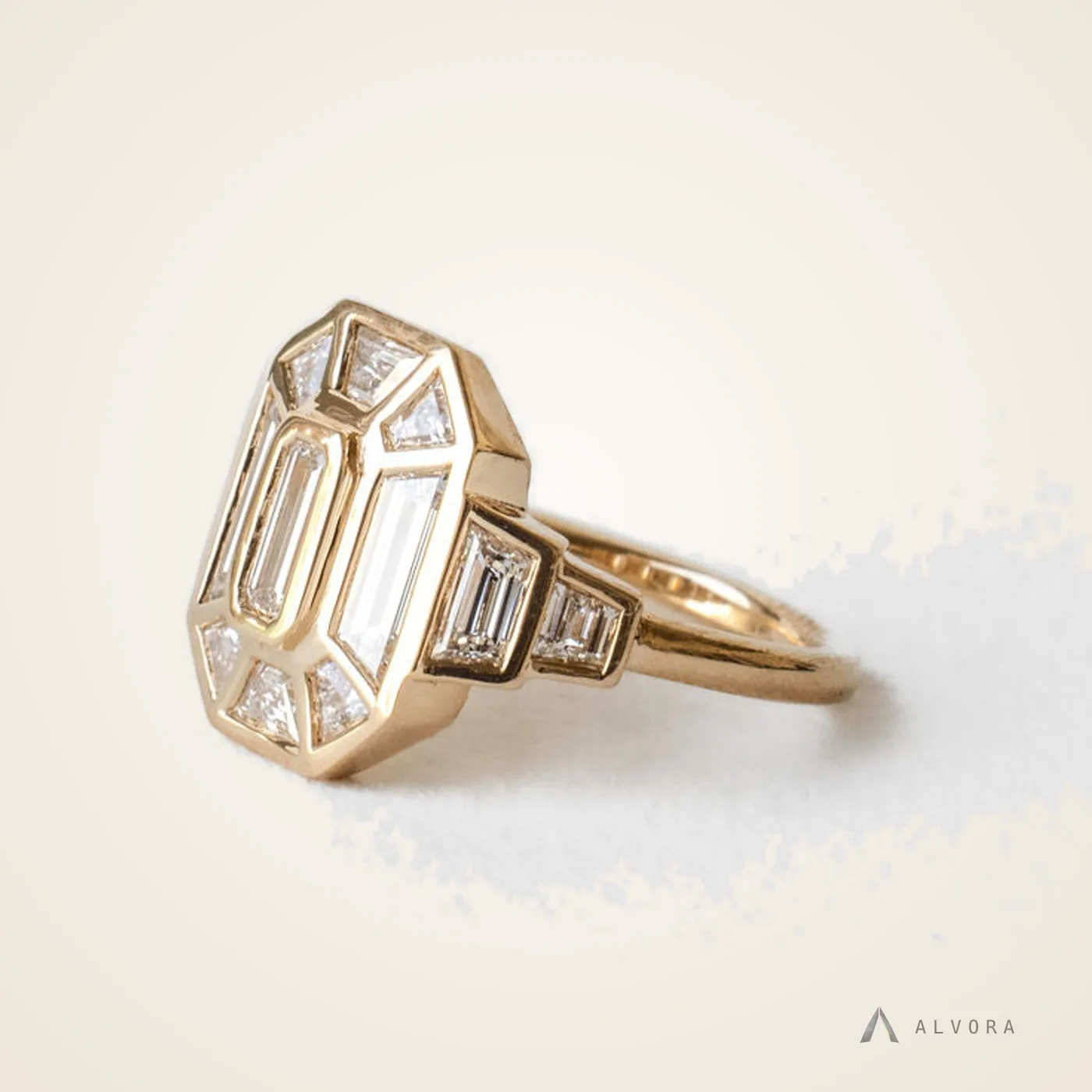
Step cuts have long, parallel facets that produce broad flashes instead of glitter. They show clarity honestly, so a higher clarity grade matters more here.
An emerald cut suits minimal, tailored settings and reads elegant rather than sparkly.
Browse emerald cut ringsBeyond the standard shapes
Once a shape direction is chosen, outlines that fall outside the standard families are briefed as custom work with a drawing and written dimensions.
Specialty cuts for designers: from outline to specificationWhat a tester can tell you
Whatever the shape, a handheld tester screens material only; it cannot say where a diamond grew, and some lab-grown stones trip false readings.
Do lab-grown diamonds pass a diamond tester?When the design uses many small stones
Pave and halo work is bought by the parcel, and the parcel is priced against its written specification rather than a rate card.
How parcel pricing works for melee